The Dizzy Chihuahua Rescue guide to ‘Adopting a Rescue dog’
Adopting a dog can be both exciting and rewarding. Preparation is key and we have our own DCR guide to help make the transition as smooth as possible.
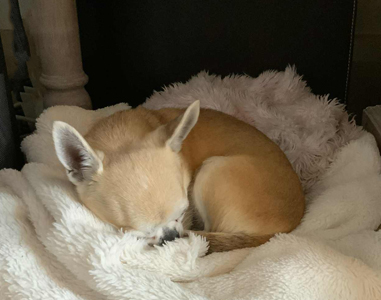
‘A bed to call my own’
Try to create a safe comfortable environment for your new dog to rest and relax. DCR will tell you all about your new dogs’ likes and dislikes.
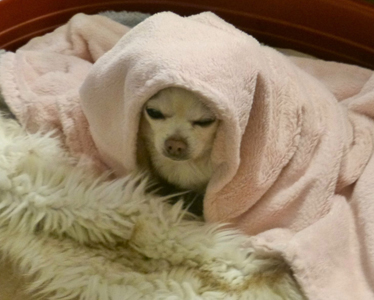
Invest in a comfy bed and warm soft blanket. Make sure the bed is the right size, easy to clean and placed in a draught free space. Think about making your dog a cozy den in a quiet corner for a ‘safe space.’ Perhaps place a toy or treat in this area so they associate it with a positive place.
‘Feed me correctly’
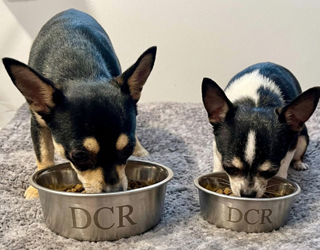
Dogs need a good quality balanced diet and access to fresh clean water. We ask that you feed the best quality food that you can afford to ensure the health of your dog. DCR will tell you what they have been feeding your dog and any special dietary requirements. If you decide to switch their food, do it gradually to avoid gastric upset.
Limit treats and avoid feeding tit bits from the table. Human food is not always good for their delicate stomachs.
‘Keep me entertained’
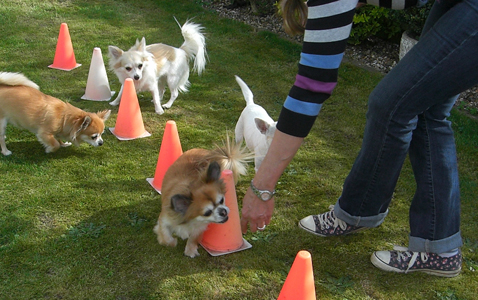
Dogs need play, exercise and fun! A good selection of dog friendly toys and games will keep them stimulated and encourage happy mental activity.
A play session or a fun walk is a great way to bond with your new friend. Use treats to help encourage them to explore their new home. Hide treats round the house for them to find.
‘I need a friend’
You are responsible for providing your dog with suitable companionship.
Some dogs are more friendly and may love their social time, whilst others may occasionally need their quiet alone time. Some may have separation anxiety and cannot be left for long. Each dog is different.
DCR will be able to advise you about your dogs’ personality, likes and dislikes. Making friends takes time and patience is the key to success.
‘Keep me healthy and well’
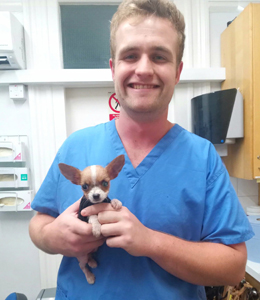
A good vet is your best friend! Register with a local vet and find out if they have an out of hours service nearby.
A regular welfare check will make sure your dog is in the best health and alert you to any potential issues.
‘Too much too soon’
When your dog first arrives, reserve a few weeks of your time for your dogs’ settling in period. In the first week, let your dog get used to the home and garden. Slowly, introduce short walks and try to stick to the same route. This will give your dog time to get used to their new area and get their bearings.
Keep curious visitor away for a few weeks. Overwhelming your dog with lots of new people too soon may cause your dog to become anxious and over stimulated.
Carefully introduce them to other pets in the house. Familiarize them slowly and never leave new pets together alone until you are certain they are fully comfortable with each other. If you need to leave them, place all pets into their own secure safe spaces.
‘Give me time..’
Settling your new dog can take weeks so be prepared to invest the time. Their world has dramatically changed and everything in your home is a new experience for them.
Let them settle at their own pace and do not fuss over them or force interaction. They will relax and come to you when they feel comfortable. If they retreat to their safe space to relax and decompress, leave them undisturbed.
Dogs like consistency so try to set a routine for your day and stick to it. In the first few weeks try and keep a regular timetable ie: feeding times, walk times, quiet times… This will help them get used to their new home and help the dog know what to expect.
In rehoming we have the 3:3:3 rule
3 DAYS
for them to decompress
3 WEEKS
for them to learn your routine
3 MONTHS
for them to truly feel at home
There may be a few hiccups along the way, but this effort will pay off in the long run!